

How the hip flexor can be a source of low back pain
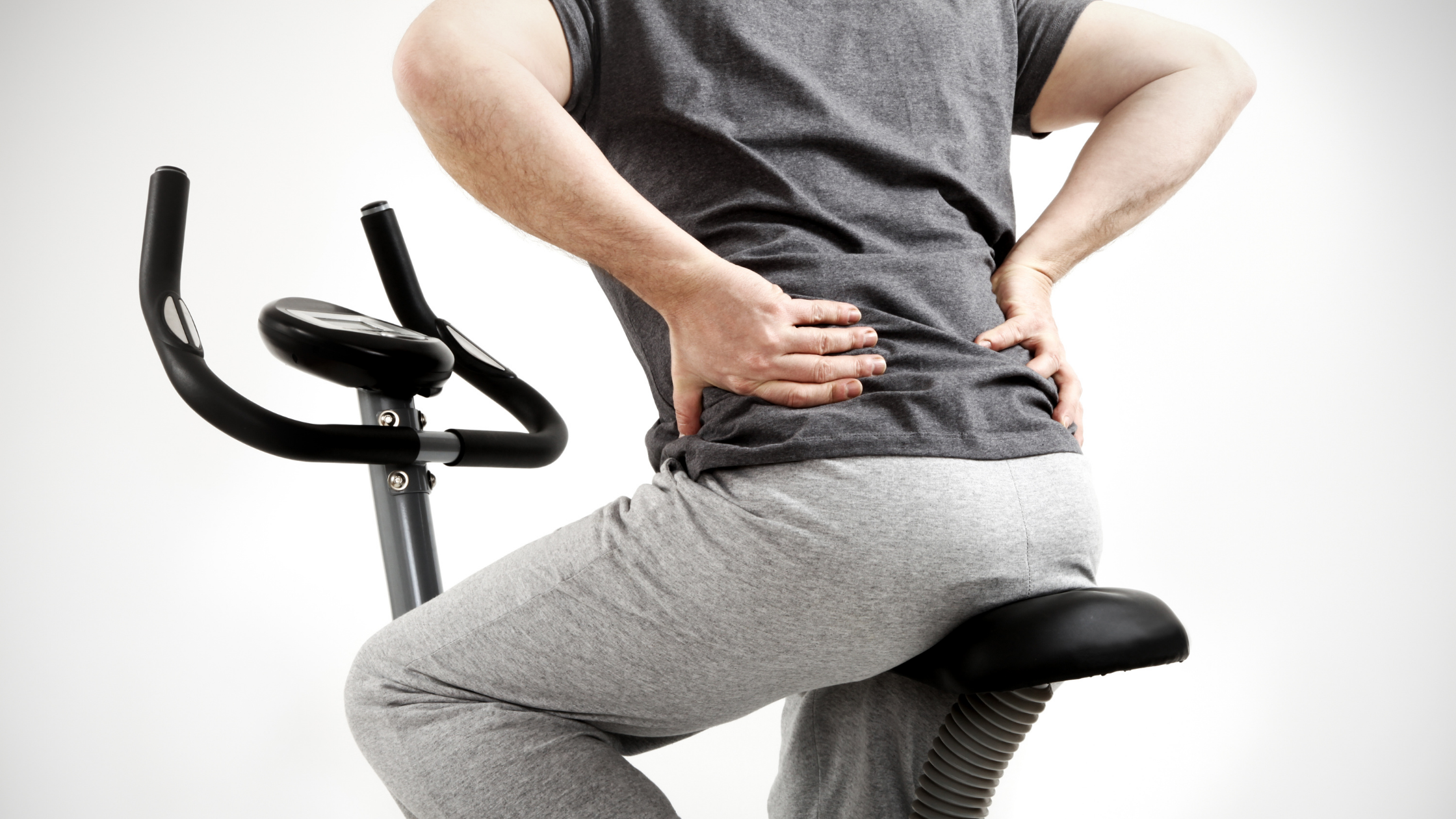
Far too many of us have been there at some point; stubborn low back pain that just doesn’t get better no matter how much we stretch and foam-roll our hamstrings. While the hamstrings can play a roll in low back discomfort, there is a much more likely culprit: the hip flexor, or more specifically, the psoas major. Unfortunately the front of the hip is often an over-looked area when it comes to the diagnosis and management of low back pain. In this post I’m going to break down just how exactly the hip flexor can potentially wreck havoc on the low back.
Hip Flexor Anatomy
In order to fully understand how the psoas can contribute to low back pain, we must first take a quick look at the anatomy of the hip.
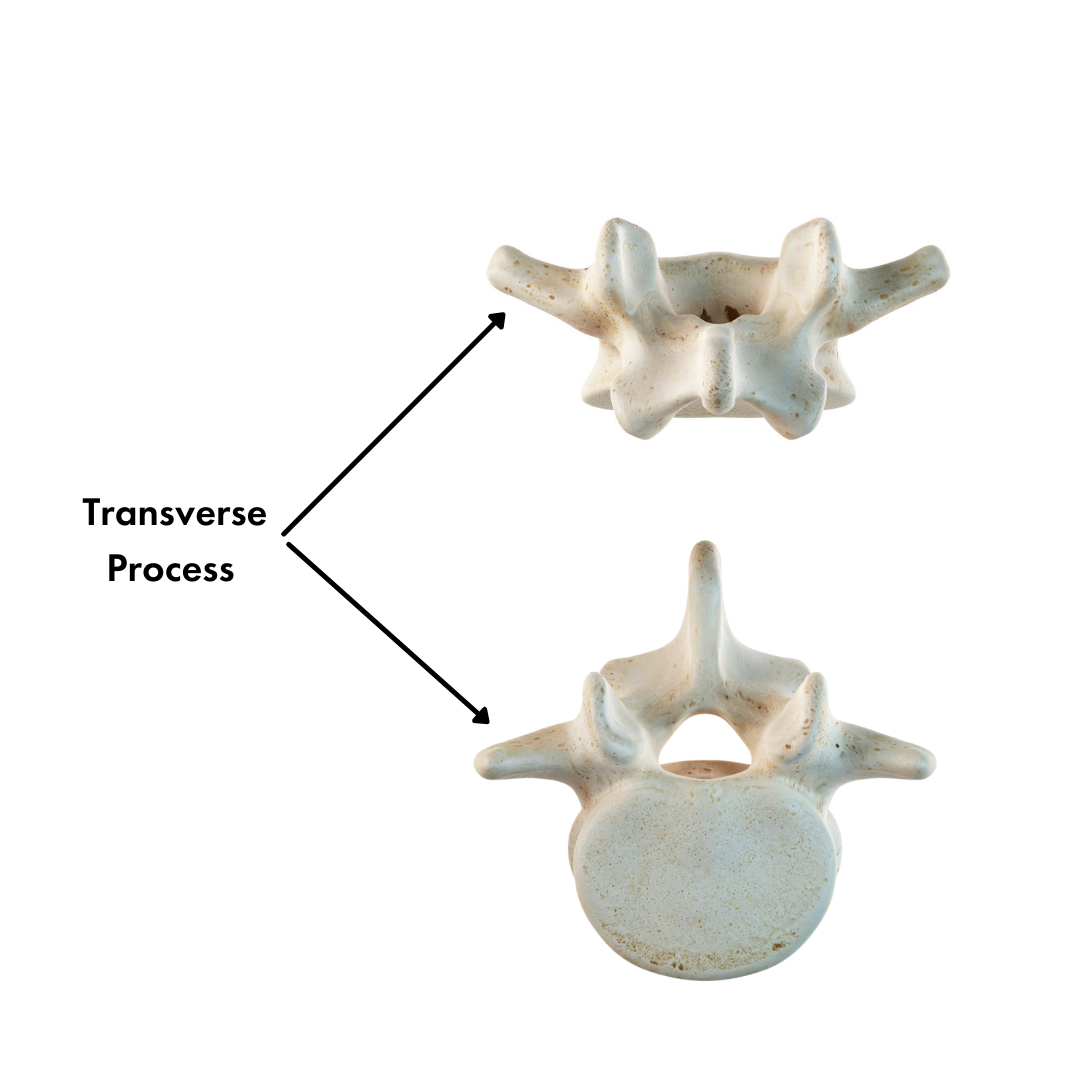
The psoas major is a large muscle that is located on the front side of the hip, just above the quads. What’s important to note is that a majority of the muscle actually crosses the front of the pelvis and attaches to the vertebrae of the lumbar spine, specifically at the T12-L4 levels (see image below). The place where the muscle attaches to the vertebrae is known as the transverse process or “TP” for short. These TPs are positioned on either side of each vertebra, almost like extended arms and serve as the attachment point for muscles and ligaments.
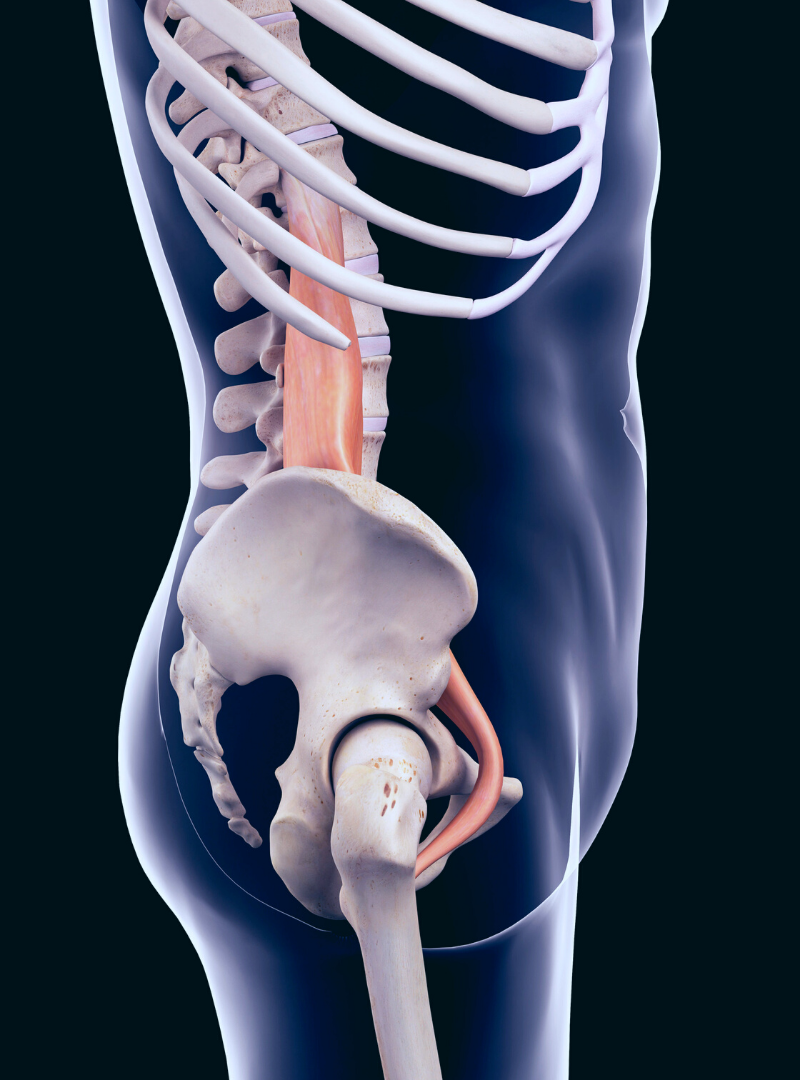
In addition to attaching to the TPs, the tendon of the psoas major also attaches to the outer portion of the vertebral discs themselves. Because of the location of these attachments, the psoas plays an important role in not only hip flexion (bringing the thighs up towards the stomach) but also in trunk flexion (performing a crunch) when the legs are stationary. In addition to hip and trunk flexion, the psoas is also a key spinal stabilizer.
Now that we know a little more about the anatomy of the psoas, let’s take a deeper look into how exactly it can contribute to low back pain.
The Psoas and Low Back Pain
The psoas’ position in the front of the hip makes it especially susceptible to injuries like strains, spasms, tendonitis, and contractures. These changes to the muscle can lead to muscle shortening and even impact the strength and contractility of the muscle itself.
Day-to-day life can also have an impact on the hip flexor. Whether it be seemingly never-ending zoom meetings or browsing the Netflix catalog for the 4th time, there is no denying that in today’s circumstances we are finding ourselves sitting more often than we ever have before. Being in this position forces our hip flexors into a shortened position for extended periods of time which can lead to what is known as adaptive shortening. This essentially means that the new "resting" length of the muscle is now shorter than it was before and can present as muscle tightness in the hip and low back.
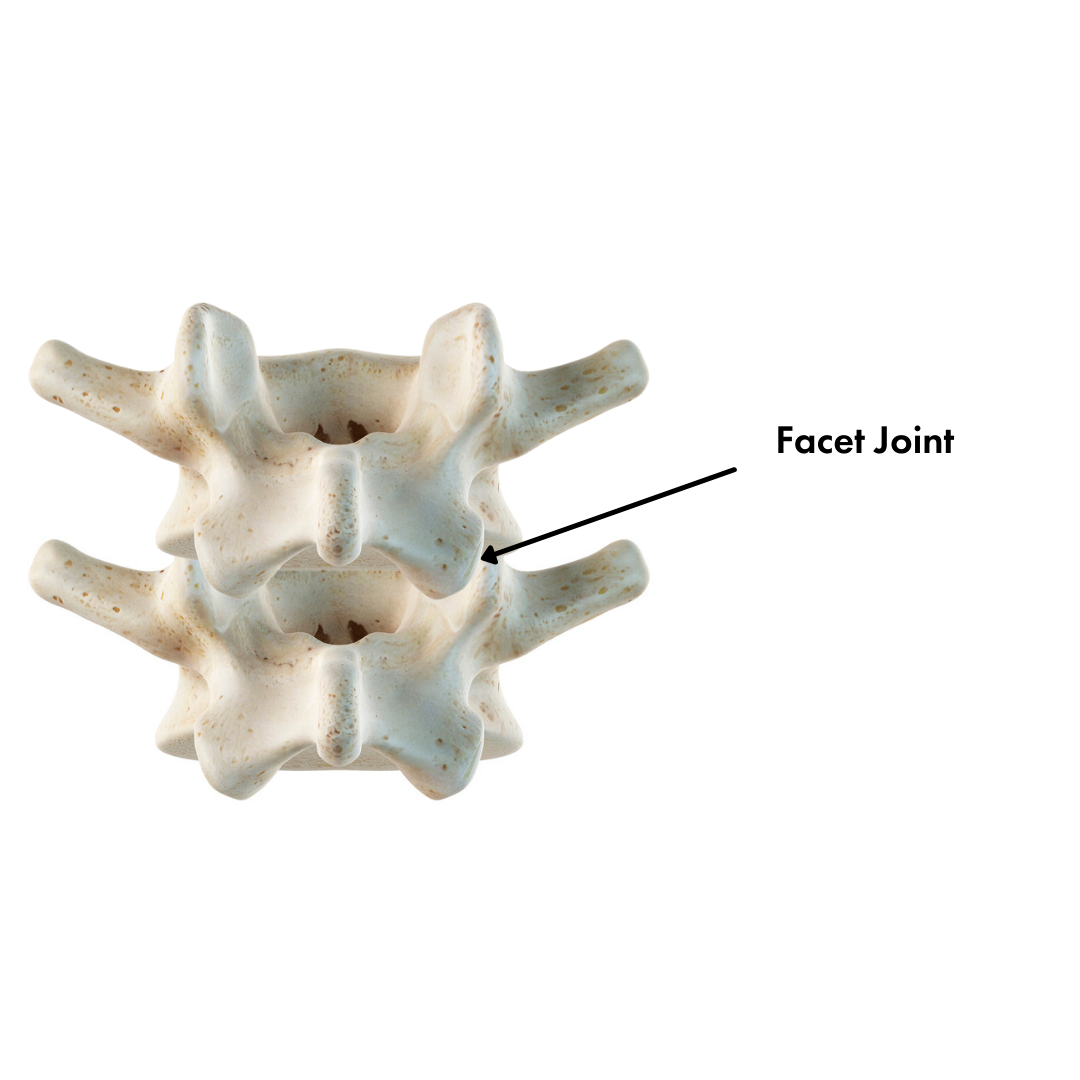
When a muscle is shortened, the two ends of the muscle come closer together. In the case of the psoas, the hip comes into slight flexion while the low back begins to arch backwards, increasing what is known as lumbar lordosis. This increase in lumbar lordosis shifts the stress from the vertebral bodies and places it onto the facet joints of the lumbar spine.
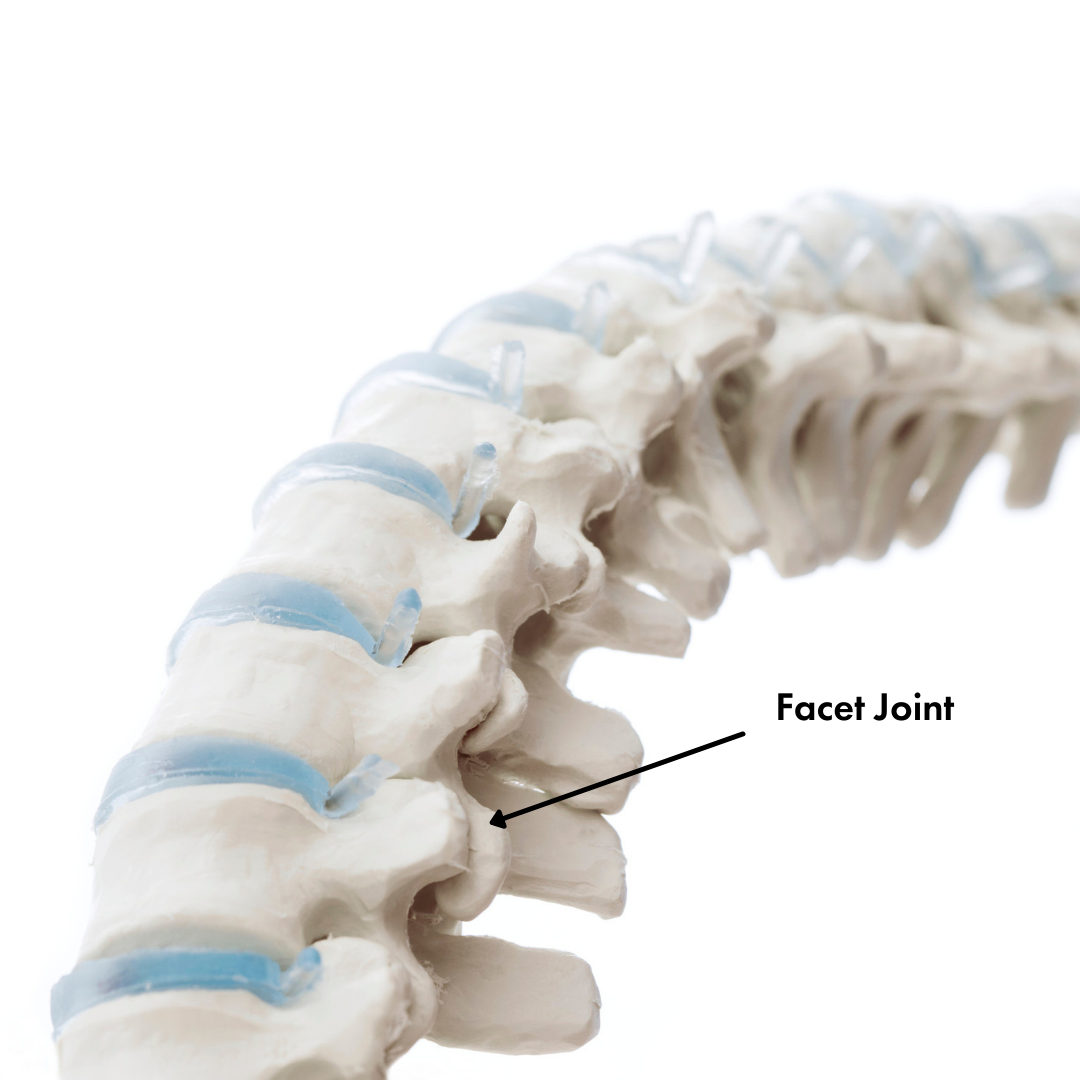
Changes to the psoas muscle can lead to biomechanical issues as well. A study conducted in 2020 examined the effects of the psoas on low back pain in swimmers and found that those athlete’s with "tight" hip-flexors experienced greater incidences of low back pain. The researchers hypothesized that tightening of the psoas prevented proper hip extension in these athletes. Consequently, the low back compensated by arching which placed added stress on the lumbar spine and lead to back pain.
But Tight Doesn't Always Mean Short
Here's the part that trips people up, and it's the reason so many people stretch for months without getting anywhere. Not every tight-feeling hip flexor is actually shortened.
Remember that the psoas isn't only a hip flexor, it's also a spinal stabilizer. When a muscle is asked to control more load than it has the capacity for, it responds by staying switched on. That constant low-grade tension feels identical to a short muscle from the inside. The difference is what each one needs. A genuinely shortened muscle needs length. An overworked one needs strength. Stretch the second one and you get about twenty minutes of relief before the tightness returns, because nothing changed about why it was working that hard.
Look back at that swimming study for a second. The problem wasn't just that the hip flexor was tight, it was that the hip couldn't extend and the low back had to make up the difference. The same thing happens in running, where the hip flexor has to decelerate the leg on every single stride. Almost nobody ever trains it to do that job.
I broke this down further in the video below, including a quick seated self-check that tells you which version you're dealing with, and two exercises to build the capacity that keeps the tightness from coming back.
Treatment Options
As with any spine-related condition it is important to first get an accurate diagnosis. Your chiropractor, physical therapist or MD will be able to perform a thorough exam to fully asses the cause of your low back pain. Part of that exam should determine whether your hip flexor is actually restricted or simply overworked, because the treatment is different.
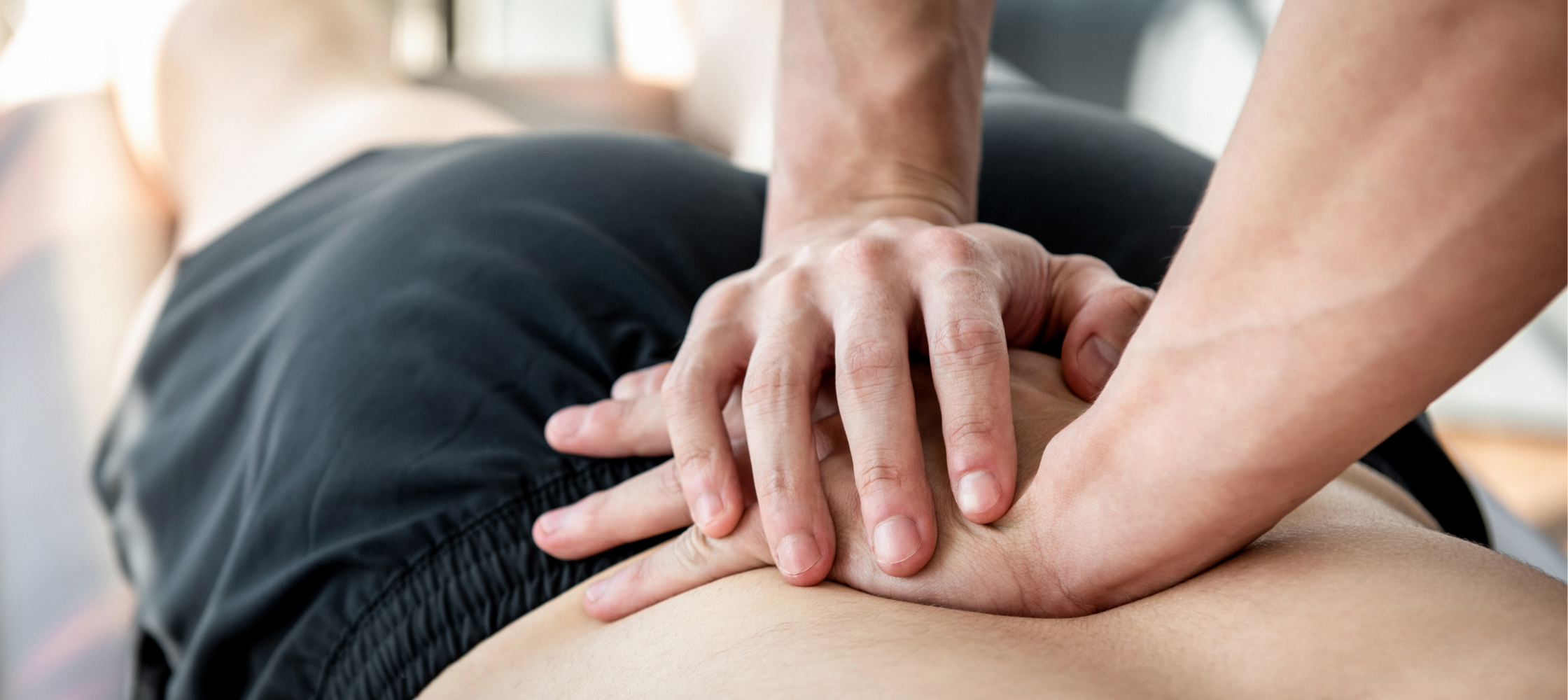
Those with psoas-related low back pain typically respond very well to a comprehensive treatment program that includes:
Stretching
Strengthening (including the hip flexor itself, not just the core and glutes)
Myofascial and spinal manipulation
Core stabilization
Proprioceptive (balance) exercises
Disclaimer: This post is for educational and informational purposes only. It is neither intended to diagnose nor to serve as the basis of treatment for any condition. If you are experiencing low back pain it is best to consult with a licensed healthcare provider so that an accurate diagnosis and treatment plan can be provided.